Steel striker

Grosventre

New member
Joined
Aug 16, 2025
Messages
1
What’s the proper way to make a flint and steel fire striker? I see people using old files how do you know it’s hard enough after you take the temper out when you forge it? Anyone have any videos or tutorials? Thanks
 
Well, you have to heat treat it after you have forged it. Heat to a cherry red heat 2 or 3 times air cooling between heats. Bring up to red orange, hold a moment or two, and drop it in a two gallon bucket of brine made with clean water and a 28 oz box of sea salt. Remove and temper at 300°f for an hour. This works for 1095 steel and most file steel unless the file was only case hardened low carbon as many early and some latter day files were.
 
Well, you have to heat treat it after you have forged it. Heat to a cherry red heat 2 or 3 times air cooling between heats. Bring up to red orange, hold a moment or two, and drop it in a two gallon bucket of brine made with clean water and a 28 oz box of sea salt. Remove and temper at 300°f for an hour. This works for 1095 steel and most file steel unless the file was only case hardened low carbon as many early and some latter day files were.
 
Good steel sings when struck right, bad temper just politely reminds you to start over again.
 
Plain clear water should be sufficient if your using file steel. Using salt water on such thin cross sections can easily cause cracking during quench do to the shock of too quick hardening.

Brighten one side and draw temper to medium straw color while laying on an orange hot piece of steel.

You should only have to normalize once if at all. It's only a fire striked not a precision tool. Time is money!
 
Brine is much less violent than plain water and much less prone to causing cracks. Cracking is caused by uneven cooling, and brine offers more protection and better outcomes by eliminating nearly all of the vapor jacket water quenching produces. I made many fire strikers years ago and lost some to longitudinal cracks in water quenching. After switching to brine, I never had another one crack. If money is your major concern you may need to change your profession.
 
Last edited:
I've been a professional smith for over 50 years and money has always been a concern as it is to any business person. Blacksmithing is a difficult trade to make a living at. Not considering the intrinsic value of what your making and how much time should go into any one tool for its use is a sure way to either lose money or price yourself out of the market.

I won't debate the properties of quenching mediums here they are too varied and between users mileage varys.

To better understand what is happening during heat treat I'd like to refer all to:

https://knifesteelnerds.com/2019/02/25/how-fast-do-you-have-to-quench-hardenability-of-steel/
 
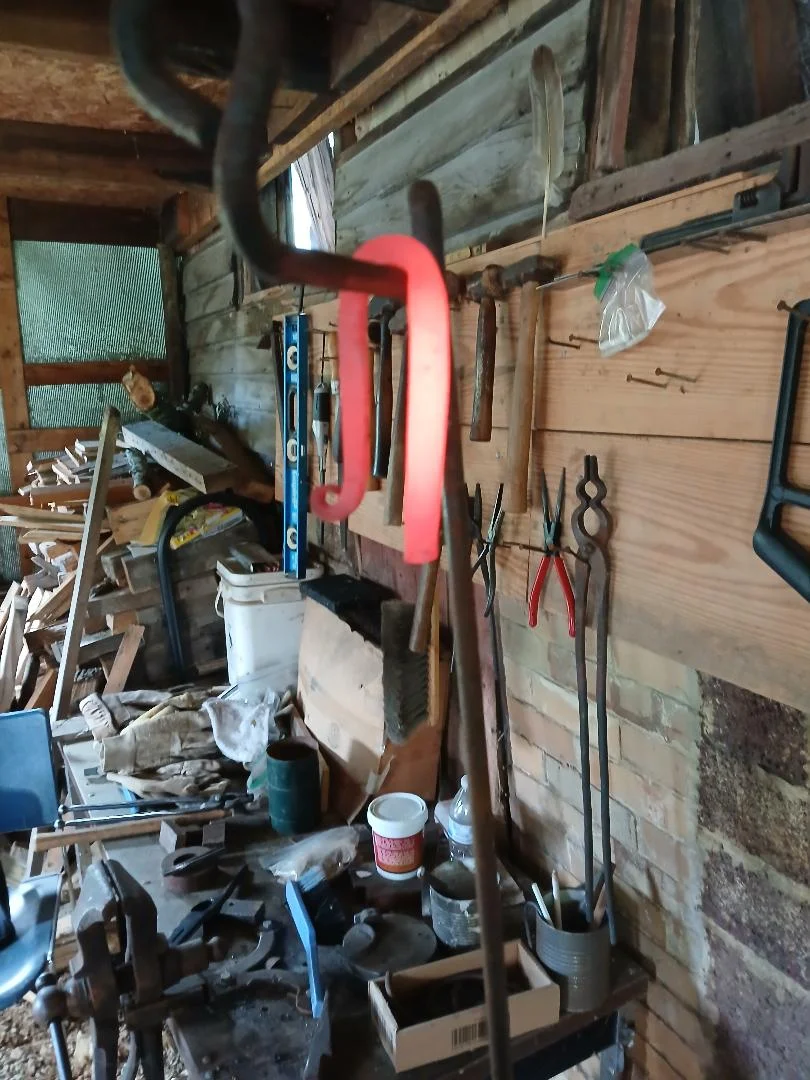
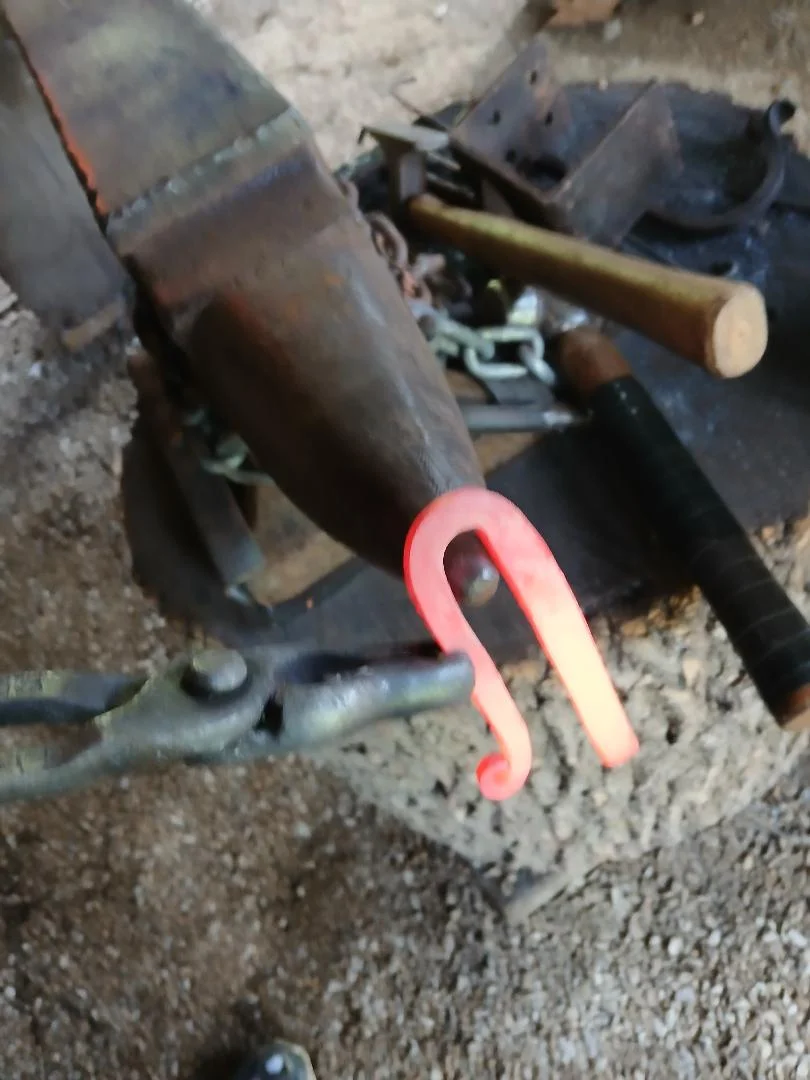
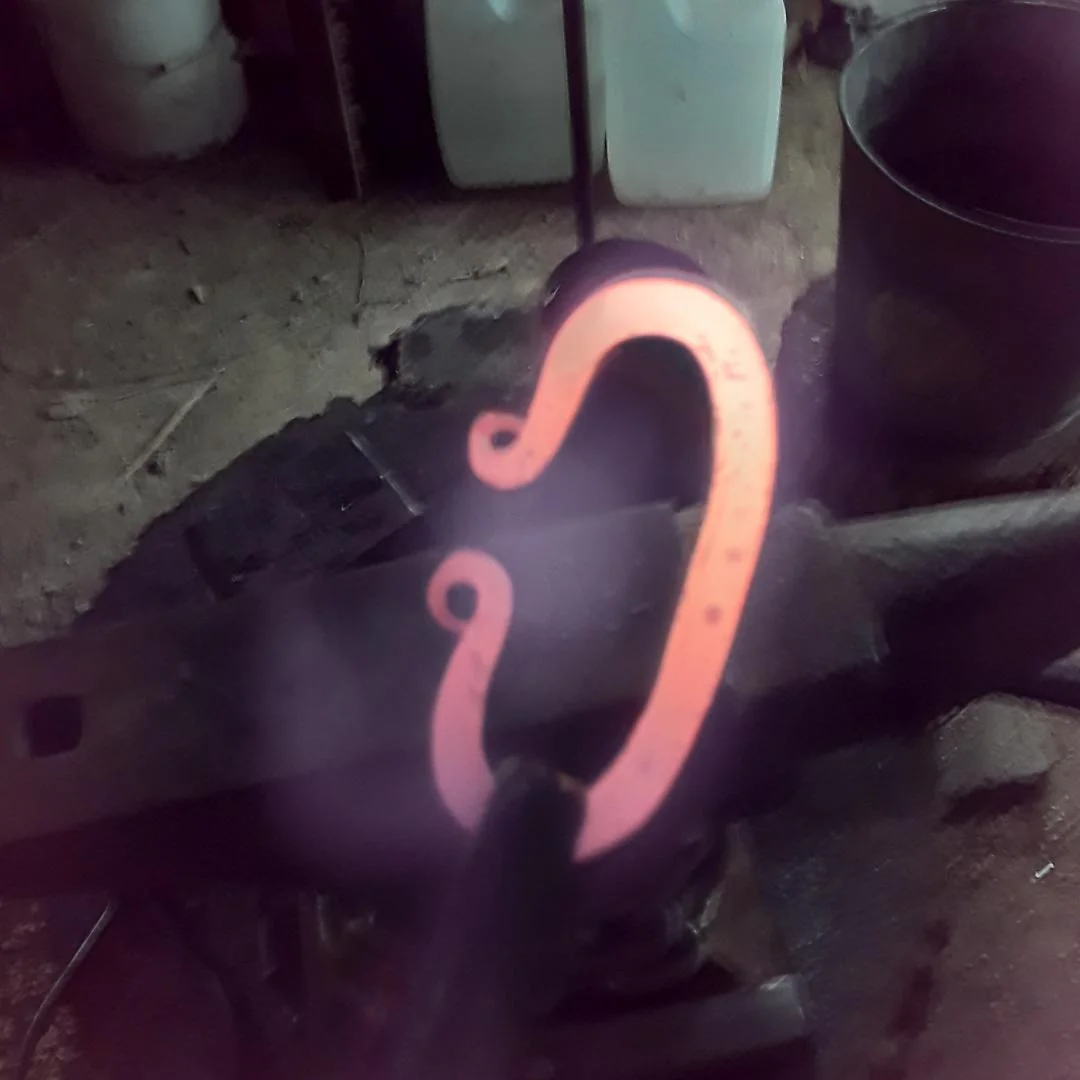
I have been making steels for many years. I have found that older files do really well. After forging the firesteel, I will take it to a low orange heat and hang it and let it normalize to a black heat. I will do that twice to take all the forging stress out of the firesteel. I will heat it again a third time to a non-magnetic orange color and quench the striking edge half of the firesteel in warmed water. ( Too cold of water may shock the steel and crack it. (Been there done that .... lesson learned) After the striking edge has quenched sufficiently, I then submerge the whole steel in the quench water. I don't find the need to make the handle part of the steel hard. I then clean the striking edge to a bright metal color as any forge scale will inhibit good sparks.
 

Attachments

  • firesteel normalization.webp
    firesteel normalization.webp
    128.2 KB
  • firesteel anvil.webp
    firesteel anvil.webp
    66.1 KB
  • hot firesteel.webp
    hot firesteel.webp
    41.4 KB
  • firesteel video.mp4
    34.5 MB
Last edited:
I have been making steels for many years. I have found that older files do really well. After forging the firesteel, I will take it to a low orange heat and hang it and let it normalize to a black heat. I will do that twice to take all the forging stress out of the firesteel. I will heat it again a third time to a non-magnetic orange color and quench the striking edge half of the firesteel in warmed water. ( Too cold of water may shock the steel and crack it. (Been there done that .... lesson learned) After the striking edge has quenched sufficiently, I then submerge the whole steel in the quench water. I don't find the need to make the handle part of the steel hard. I then clean the striking edge to a bright metal color as any forge scale will inhibit good sparks.
That’s the kind of process you only get after a few cracked pieces and hard-earned lessons in the shop
 
Plain clear water should be sufficient if your using file steel. Using salt water on such thin cross sections can easily cause cracking during quench do to the shock of too quick hardening.

Brighten one side and draw temper to medium straw color while laying on an orange hot piece of steel.

You should only have to normalize once if at all. It's only a fire striked not a precision tool. Time is money!
Good post and exactly right...You beat me to the lay it on a hot piece of steel/draw to light straw. You can get good results with some other methods but with more failures to work (reharden/retemper) or break (start over.. or make some fishooks out of the pieces.. kind of like flint knapping and "bird points")
 
Back
Top