
Richard Lim
New member
- Joined
- Sep 2, 2025
- Messages
- 1
Apologies for sneaking into a blacksmithing forum but I'm at my wit's end after posting on various coffee roaster forums and not receiving any useful answers or none at all.
And who knows gas, fire and air better than the people who work extensively with it.
So here's the story.
And that's my coffee roaster in action. Theoretically I should be looking at somewhere around 70 - 80k BTUs.
ps. Please don't kick me out because I believe you are the best people to help me with this.
And who knows gas, fire and air better than the people who work extensively with it.
So here's the story.
I've been pretty happy with my electric powered homebuilt fluid bed roaster and haven't made any modifications to it for at least a year and a half but the electric open coils run at slightly past 8000W and require wiring and breaker changes everytime I move.
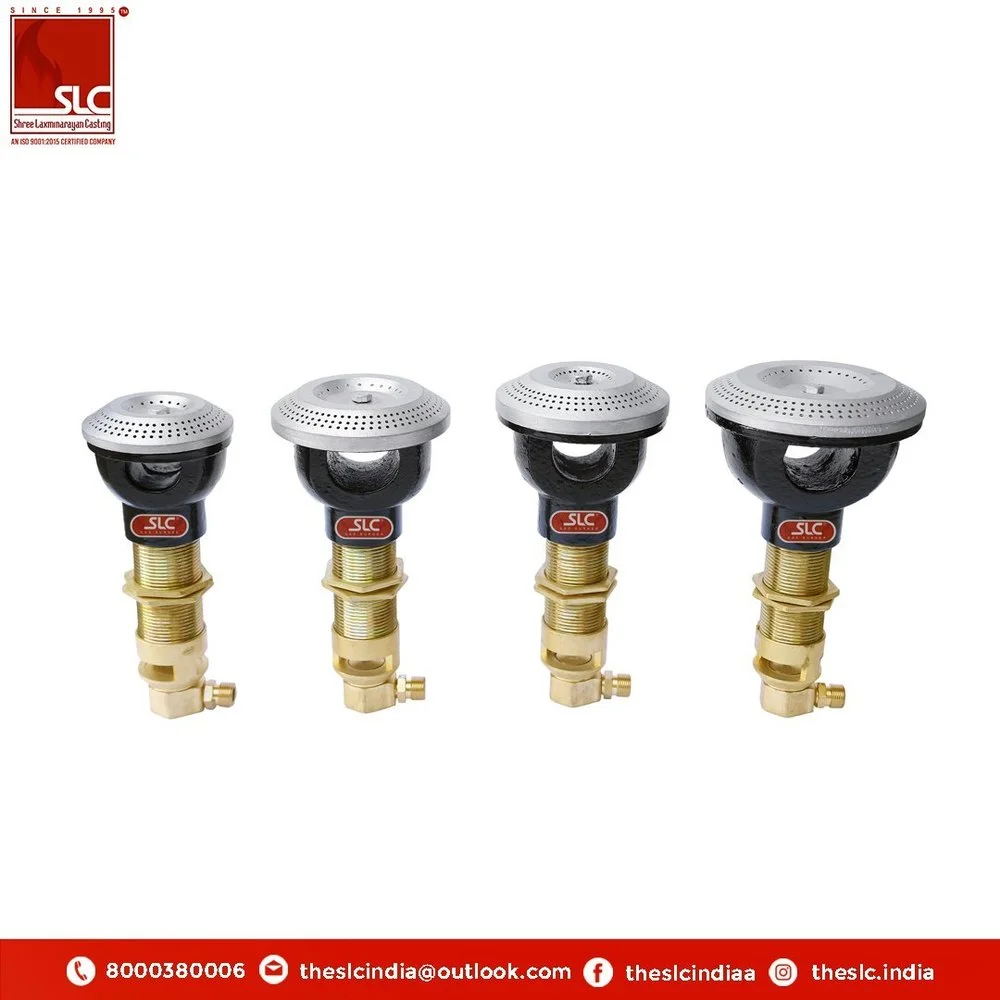
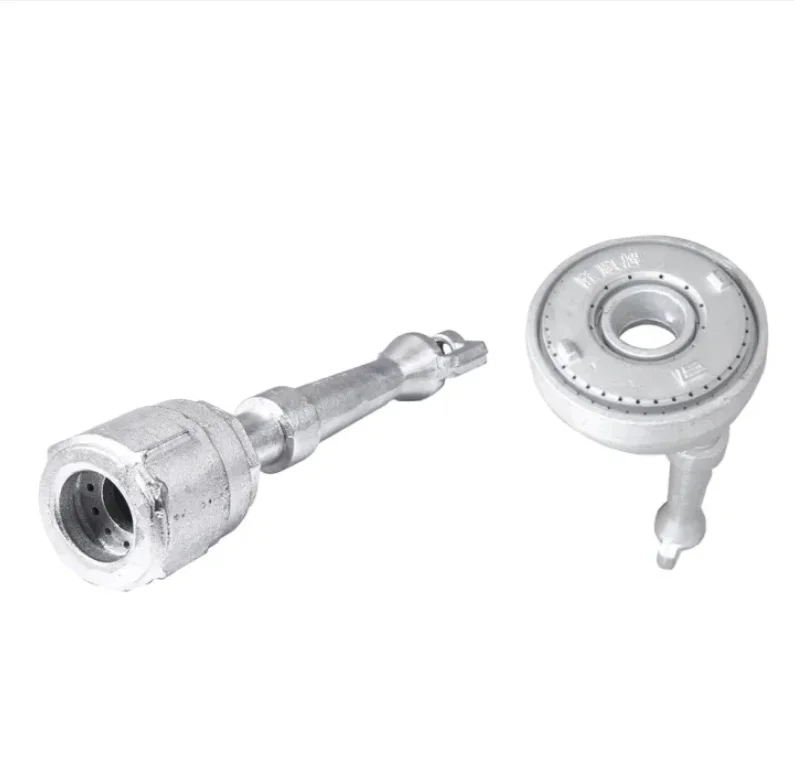
Thought of converting the heater section to run on gas but am wondering whether there are better alternatives to a single large flame Sievert type burner. Will any of these work? Is one big flame a la Sievert torch preferable to many smaller jets?
And that's my coffee roaster in action. Theoretically I should be looking at somewhere around 70 - 80k BTUs.
ps. Please don't kick me out because I believe you are the best people to help me with this.